What Is a 360-Degree Virtual Tour? The Complete A-to-Z Guide
In this comprehensive guide we explain in detail what a 360-degree virtual tour is, how it is shot and what advantages it offers businesses.
Use the buttons below to get an AI summary of this article.
What Is a 360-Degree Virtual Tour? The Complete A-to-Z Guide
A 360-degree virtual tour captures a space with special cameras so that people can explore it from every angle online. In this guide you will learn how 360-degree technology works, what the shooting process looks like and what benefits it brings to businesses.
1) What Is a 360-Degree Image?
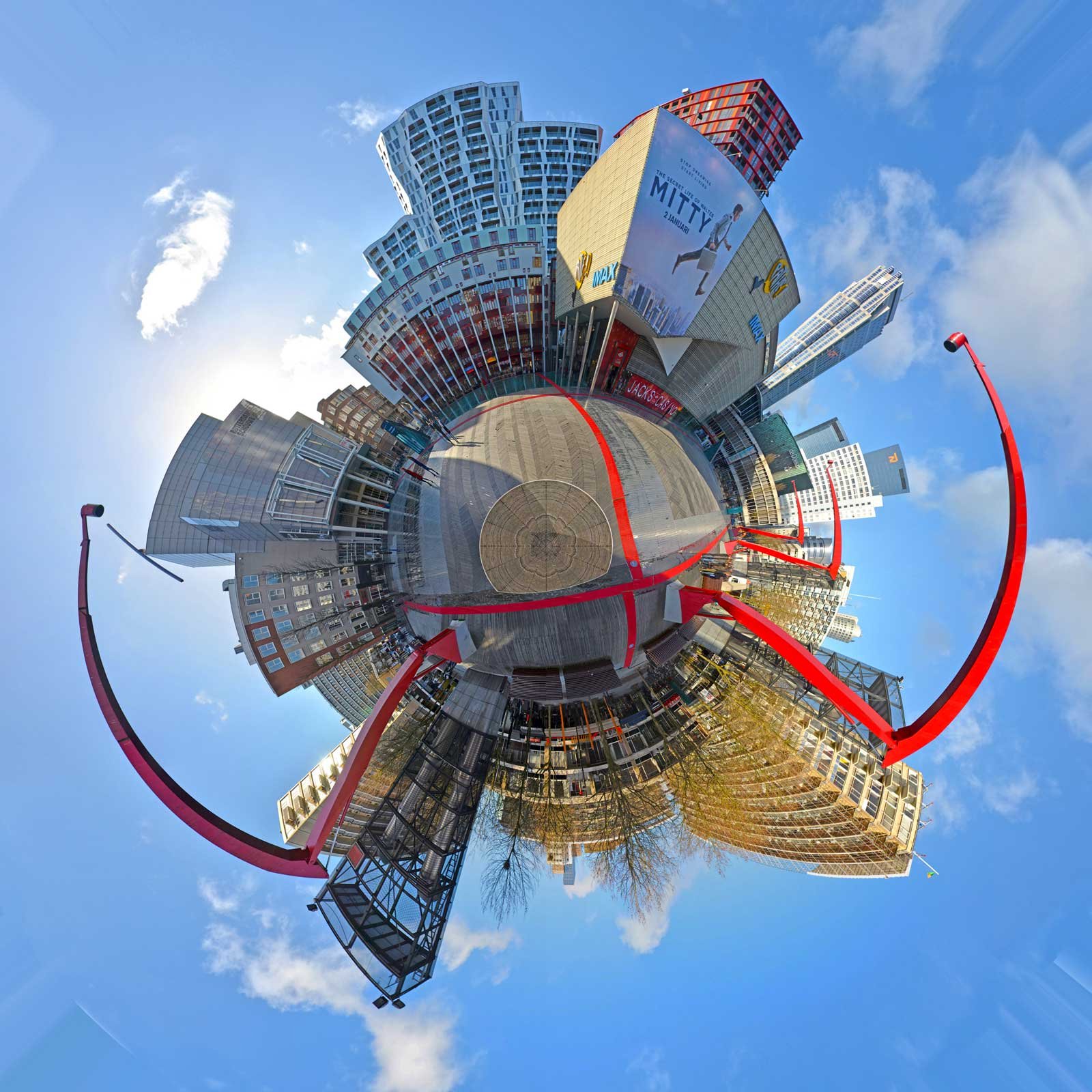
A 360-degree image is a spherical photo created by looking in every direction from a single point. A normal photo captures one angle, while a 360-degree photo combines up, down, left, right, front and back in a single frame.
From a technical point of view:
- Special 360-degree cameras are used
- Several lenses capture different angles at the same time
- Software stitches these images together seamlessly
- The result is a spherical panorama
Thanks to this technology, users can look in any direction on screen, zoom in and out, and experience the space as if they were really there.
2) The Difference Between a Virtual Tour and a 360 Photo
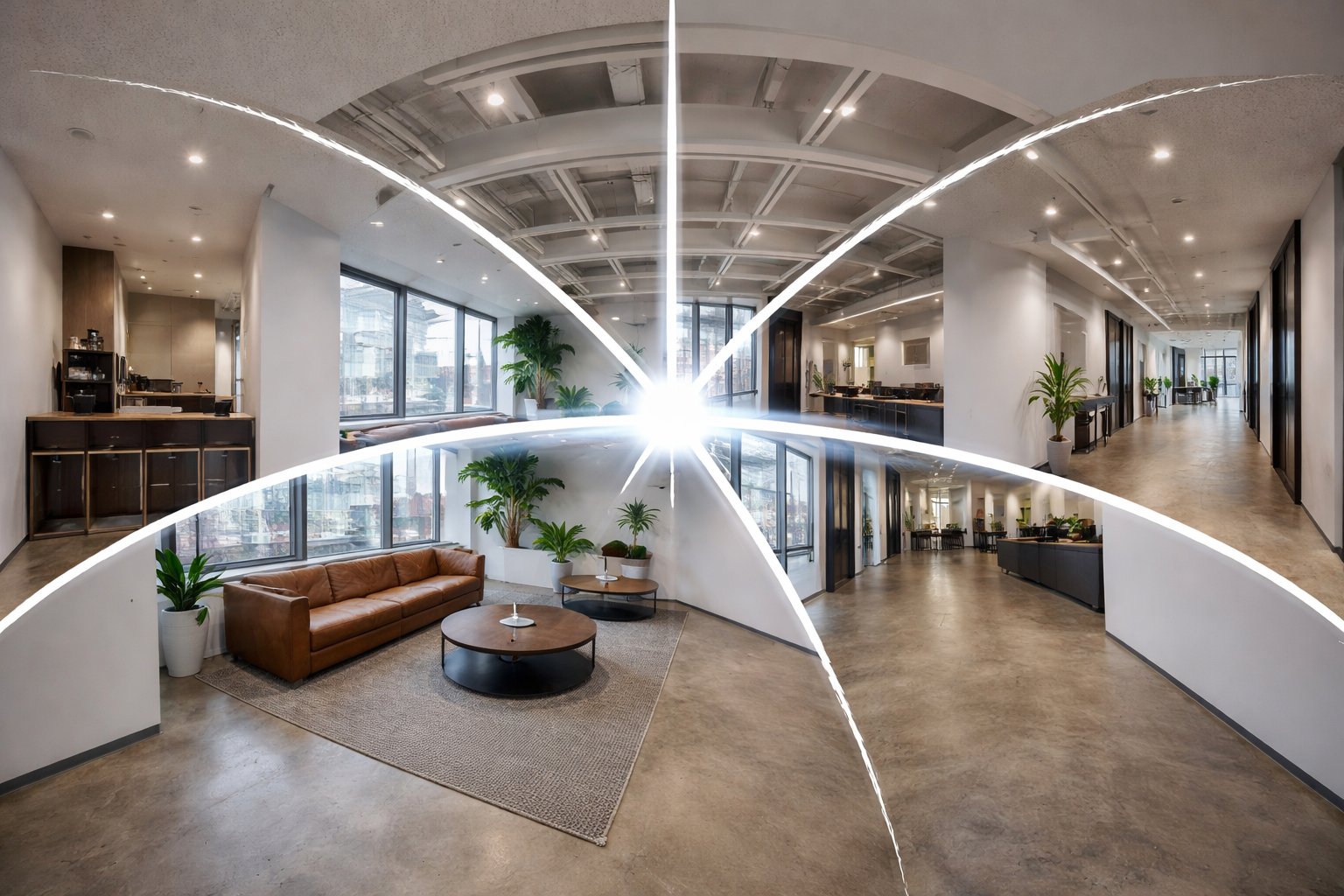
A single 360-degree photo and a virtual tour are not the same thing. A virtual tour is made by linking several 360-degree photos together.
360-degree photo:
- A spherical image taken from a single point
- You can only turn around at that point
- You cannot move to another area
360-degree virtual tour:
- A system in which multiple scenes are linked together
- It has navigation points (hotspots) between scenes
- The entire space can be explored
- Floor plans, info points and navigation can be added
Think of a hotel: you could take a single 360 photo of the lobby. But a structure that links the lobby, the rooms, the restaurant and the pool is a virtual tour.
3) How Is a 360-Degree Shoot Done?
A professional 360-degree shoot follows a set of steps. What sets it apart from amateur shots is the quality of the equipment and the processing.
Before the shoot:
- The space is cleaned and tidied
- The lighting is checked
- Shooting points are chosen
- Tripod positions are planned
During the shoot:
- The 360-degree camera is mounted on a tripod
- HDR (high dynamic range) shots are taken at each point
- Suitable angles are chosen for the navigation points
- The light balance is kept consistent in every scene
Processing:
- Raw images are stitched together in software
- Color and light corrections are made
- The tripod and the photographer are removed
- Transitions between scenes are added
4) The Technical Components of a 360-Degree Virtual Tour
A 360-degree virtual tour is made up of several technical components. These components determine the user experience and the quality.
Image quality:
- Resolution should usually be 8K or higher
- HDR support balances differences in light
- The compression ratio affects loading speed
Navigation system:
- Hotspots enable movement between scenes
- A floor plan offers a map view
- A thumbnail gallery gives quick access
- An auto-tour option can be added
Extra features:
- Info points (info hotspots)
- Voiceover or music
- Video integration
- Measurement and labeling tools
Together, all these components create a professional virtual tour experience.
5) Benefits of a 360-Degree Virtual Tour for Businesses
A 360-degree virtual tour delivers concrete advantages for businesses. The advantages vary by industry, but the core benefits are the same.
Customer trust:
- The space is shown transparently
- The gap between expectation and reality closes
- Decisions are made faster
Digital visibility:
- Standing out on Google Maps
- More visitor engagement on your website
- Shareable content for social media
Operational efficiency:
- Fewer unnecessary preliminary meetings
- Serious customers stand out
- You can showcase your venue remotely
According to Google data, business profiles with virtual tours attract twice as much interest. Research shows that 67 percent of customers want to see a virtual tour before visiting a venue.
6) Which Industries Benefit From 360-Degree Tours?
A 360-degree virtual tour creates value for any business with a physical space. In some industries the impact is especially noticeable.
Hospitality and tourism:
- Hotels show room types and shared areas
- Resorts present the entire property
- Rental villas can be toured remotely
Food and beverage:
- Restaurants showcase their atmosphere and ambiance
- Cafés show how big the space is
- Event venues give a sense of capacity
Real estate:
- Real estate agents show properties remotely
- Construction companies present their projects
- Architecture firms present their portfolios
Retail and showrooms:
- Stores showcase their product range
- Car showrooms show their range of vehicles
- Furniture stores present their collections
Healthcare and education:
- Clinics build a sense of hygiene and professionalism
- Schools present their campuses
- Gyms show their equipment and spaces
7) How Google Street View and 360-Degree Tours Work Together
Google Street View is one of the most powerful publishing channels for a 360-degree virtual tour. Businesses can publish their tours on Google Maps.
What the integration gives you:
- The "See Inside" button goes live on your Business Profile
- You get a richer look in search results
- Your chances of standing out in map searches go up
- You come across as more professional than your competitors
41 percent of searches on Google Maps end in a physical visit. When these visitors can see your space in advance, it builds trust.
Beyond Street View, tours can also be embedded on your website. That way you can offer a fully controlled experience both on Google and on your own site.
8) Conclusion
A 360-degree virtual tour is a powerful technology that lets people fully experience a space online. Ranging from a single 360 photo to a comprehensive tour, this system gives businesses an edge in visibility and trust.
Key points in summary:
- A 360-degree image is a spherical photo
- A virtual tour combines multiple 360 scenes
- Professional shooting makes a difference in quality
- Google Street View integration boosts visibility
To see 360-degree virtual tour examples from different industries, browse the G360 portfolio. To find the right solution for your business and get a quote, simply get in touch.
You can explore our completed hotel virtual tours in our portfolio.
From Our Archive: Real Project Data
The technical explanation above is the result of work repeated in the field. Here is how the tours we have shot so far break down:
- 1,600+ tours in 55+ provinces and 200+ districts
- The busiest industries: restaurants (486), cafés (202), furniture (183), stores (125), hotels (92)
- The average Google rating across the entire archive is 4.28
- A total of 1,077,330 Google reviews
Every tour was produced with the same method: scene planning, fisheye shooting, HDR merging and Google Maps integration.
Frequently Asked Questions
A 360-degree virtual tour is an interactive digital experience that stitches together panoramic photos taken with special cameras so a space can be explored from every direction.
You can explore the space by turning in any direction with a mouse on a computer, with your finger on a phone, or with a VR headset.
Yes, professional 360-degree cameras and specialized software are used. After the shoot, the images are stitched together and processed.
A normal photo shows a single angle, while a 360-degree photo covers the entire space spherically and the user can look in any direction.
They work smoothly on desktop computers, laptops, tablets, smartphones and VR headsets.
Yes, through Google Street View integration it can be published on Google Maps as the "See Inside" feature.
It depends on the size of the venue. Each shooting point creates one scene, and users can move between scenes.
Yes, it can easily be placed on a website with an embed code, so visitors can explore the space without leaving the site.
The size of the space, the number of scenes to be shot and extra features (voiceover, info points and so on) affect the cost.
The shoot takes a few hours, and including processing and publishing, the tour is usually delivered within a few days.
A Professional Virtual Tour for Your Business
Give your customers an unforgettable experience with a 360° virtual tour.
Get a Free Quote